Piracy, Torrenting, and Why They Get Mixed Up
Why piracy exists, how torrenting works, and why the two get confused. A geek-friendly breakdown with a global perspective.
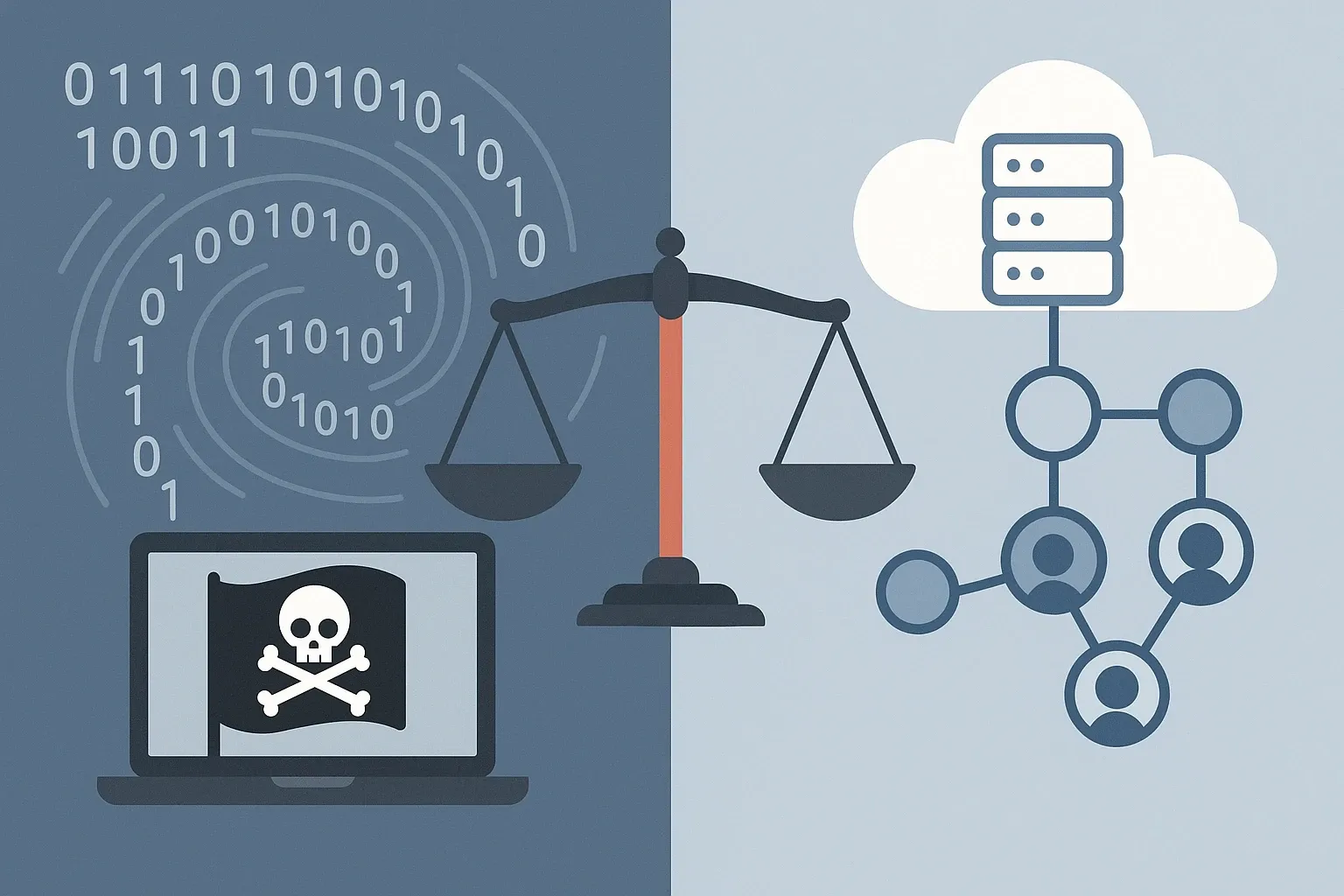
Ever had a friend say, “Just torrent it!” when you couldn’t find a movie, software, or game online? Maybe you’ve even downloaded something through a torrent client yourself — without fully knowing what’s happening under the hood.
Piracy and torrenting are often mentioned in the same breath, but they’re not the same thing. Piracy is about what you’re downloading; torrenting is about how you’re downloading it. Let’s unpack why piracy exists, how it works, and where torrents fit into the picture.
Why Piracy Exists
Piracy isn’t just about people being “cheap.” It usually comes down to three things:
-
Economics – Media and software can be expensive, and in many countries, wages don’t line up with global pricing models. A $15 Netflix subscription might be pocket change in the US but can feel like a luxury elsewhere.
-
Accessibility – Not everything is legally available everywhere. Some shows are geo-locked, certain games never get local releases, and software companies sometimes ignore smaller markets.
-
Culture – In some places, piracy has become normalized. If “everyone does it,” it feels less like theft and more like a workaround.
In short: people often pirate because they feel there’s no reasonable legal alternative.
How Piracy Works in Practice
At its simplest, piracy is just sharing copyrighted content without permission. That could mean:
- Someone buys or rips a digital copy.
- They upload it to a central server, a file-hosting site, or a peer-to-peer network.
- Others download and spread it further.
The tools change (from Napster to MegaUpload to BitTorrent), but the cycle stays the same: copy → share → spread.
Torrenting Explained
Okay, so where do torrents come in?
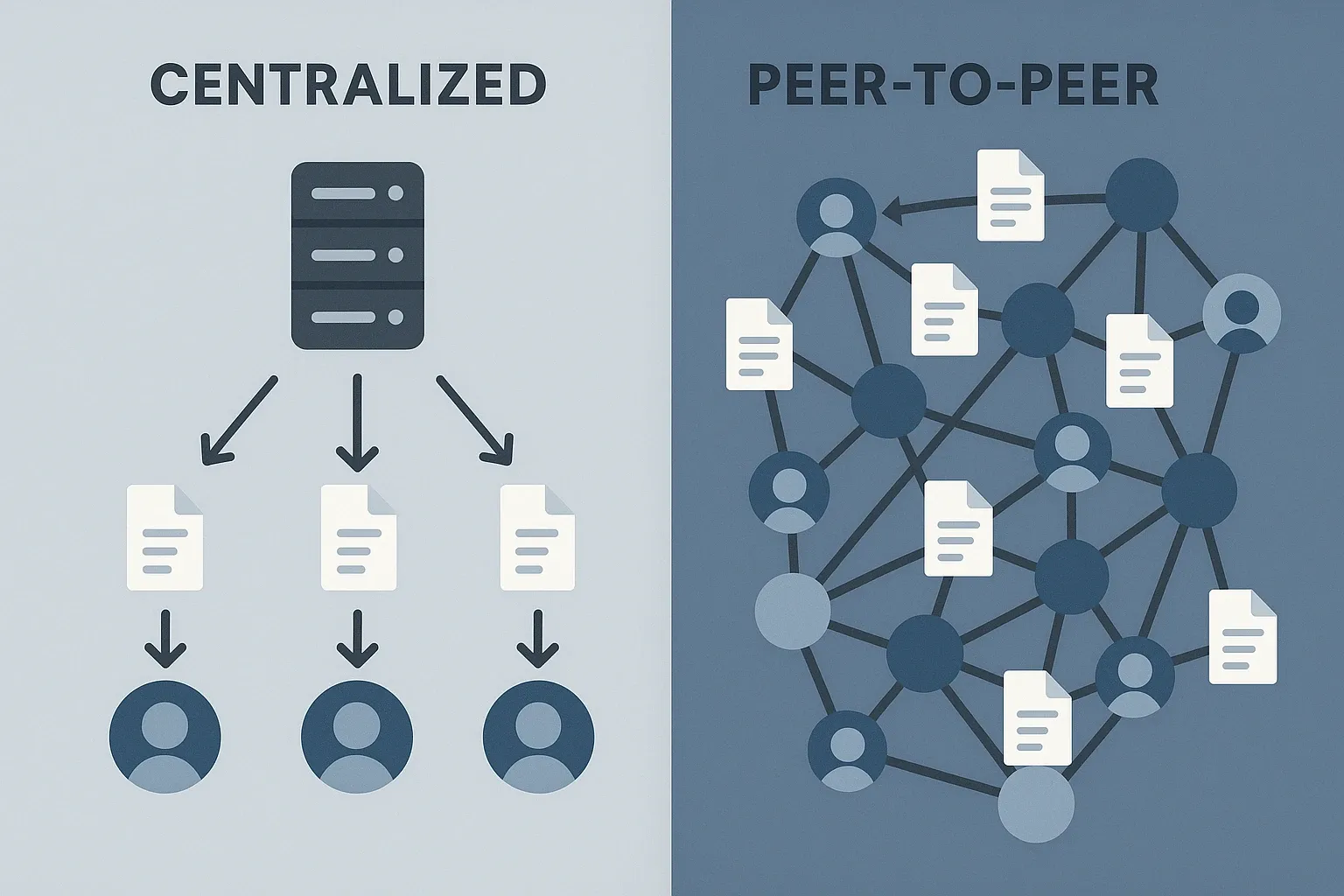
Torrenting is a peer-to-peer (P2P) way of moving files around the internet. Instead of one big server hosting a file, everyone downloading and uploading forms part of a “swarm.”
Here are the basics, simplified:
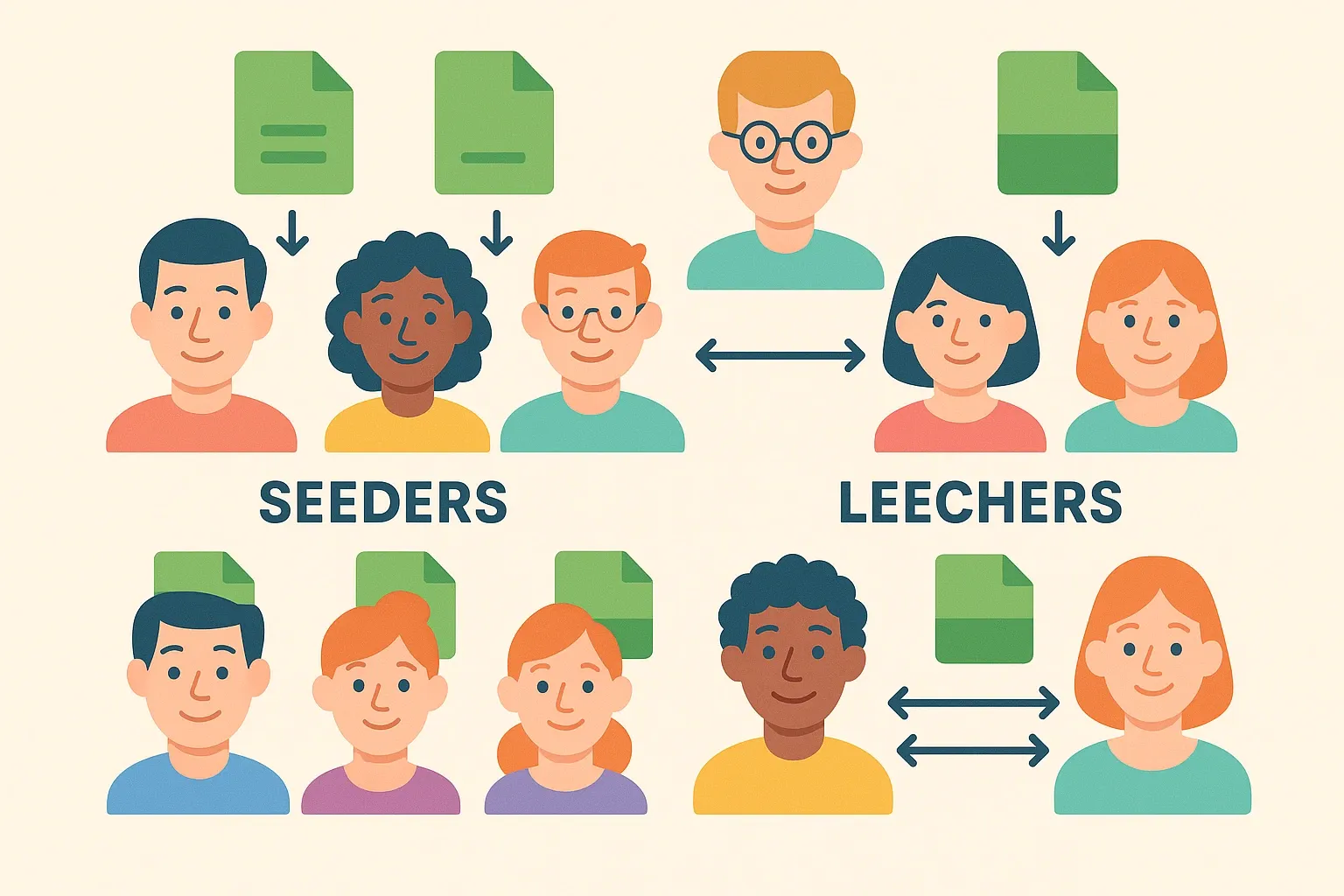
- Seeders – People who have the full file and are uploading it.
- Leechers – People still downloading the file but also sharing the pieces they’ve already got.
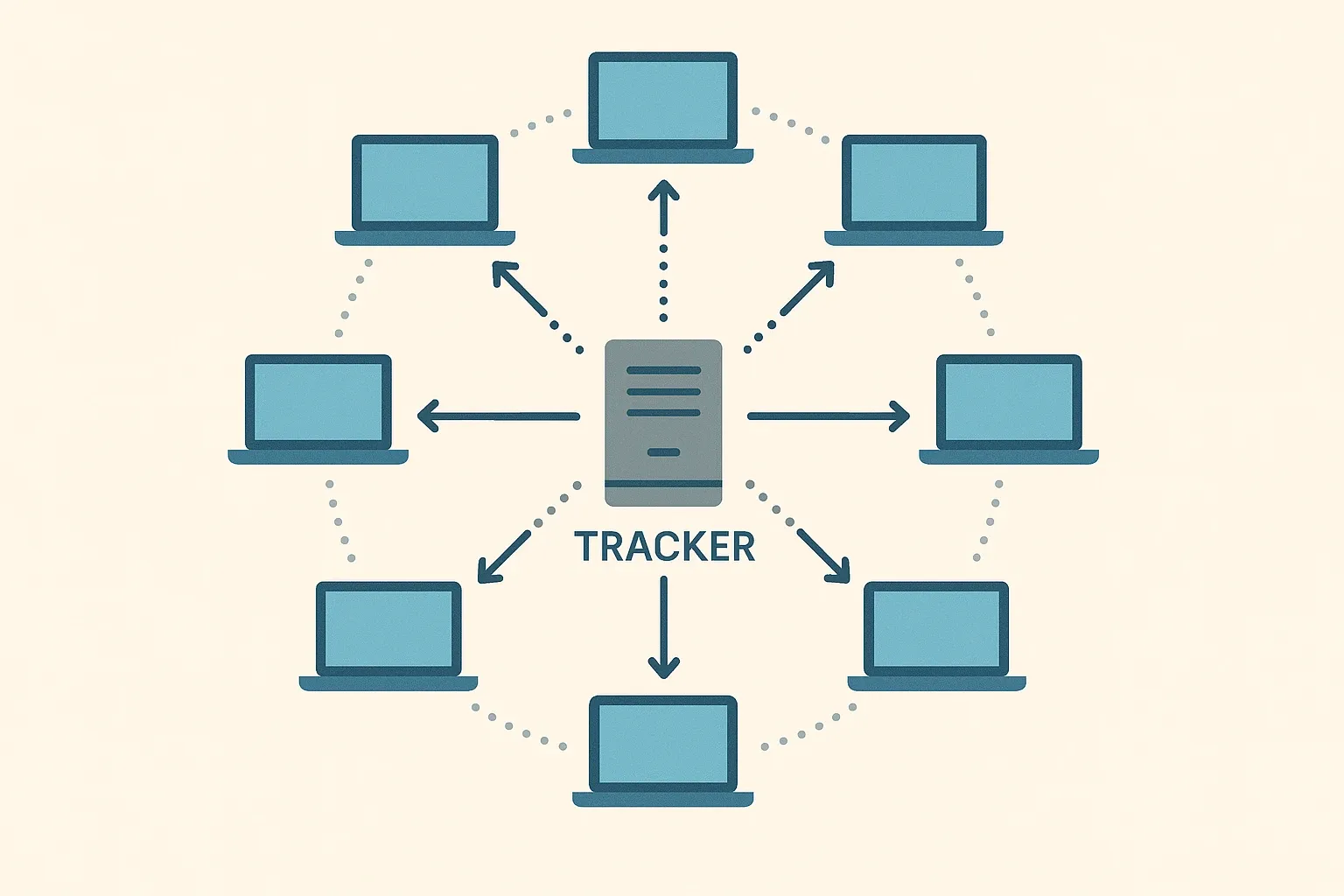
- Trackers – Servers that help everyone in the swarm find each other.
- Swarms – The whole network of seeders and leechers sharing the same file.
Think of it like a group project: instead of one person emailing the whole report to everyone, each member sends the parts they already wrote. Eventually, everyone has the full report.
Why Torrenting ≠ Piracy
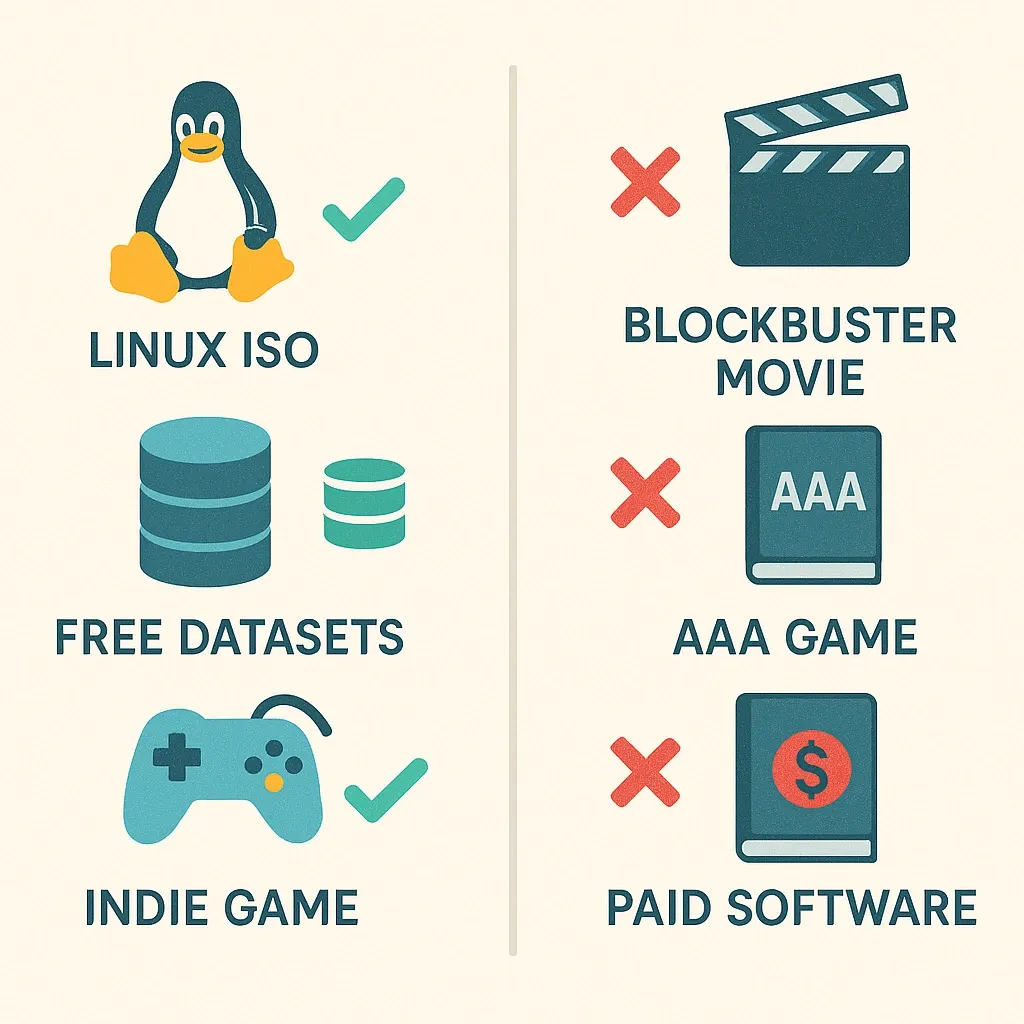
Here’s the key distinction: torrenting is just a protocol.
You can torrent Linux ISOs, free ebooks, open-source games, or even large datasets — all perfectly legal. In fact, many organizations use torrents because it’s efficient and reduces server load.
The reason torrenting gets tied to piracy is that pirates love it too. Why? Because it’s decentralized, fast, and hard to shut down.
So the problem isn’t the protocol; it’s the content.
Legal and Ethical Perspectives
Let’s be honest: piracy sits in a gray zone for many people.
- The downsides: It’s illegal, creators lose revenue, and in some countries, you can get fined or even jailed.
- The upsides (at least from a user’s POV): Access to things you can’t otherwise get, cheaper (or free), and sometimes the only way to access abandoned or unavailable media.
Governments, of course, tend to focus on the legal part. For example:
- The U.S. Copyright Act makes unauthorized copying/distribution a civil and sometimes criminal offense.
- The European Union harmonizes copyright laws across member states, with heavy penalties for distribution.
- Countries like Japan have famously strict anti-piracy laws, with jail time for illegal downloads.
But at the same time, groups like the Electronic Frontier Foundation (EFF) argue for reform, pointing out how outdated copyright systems often restrict fair use and accessibility.
Piracy Laws: Nepal vs. Other Countries
Here’s where it gets interesting for local geeks.
-
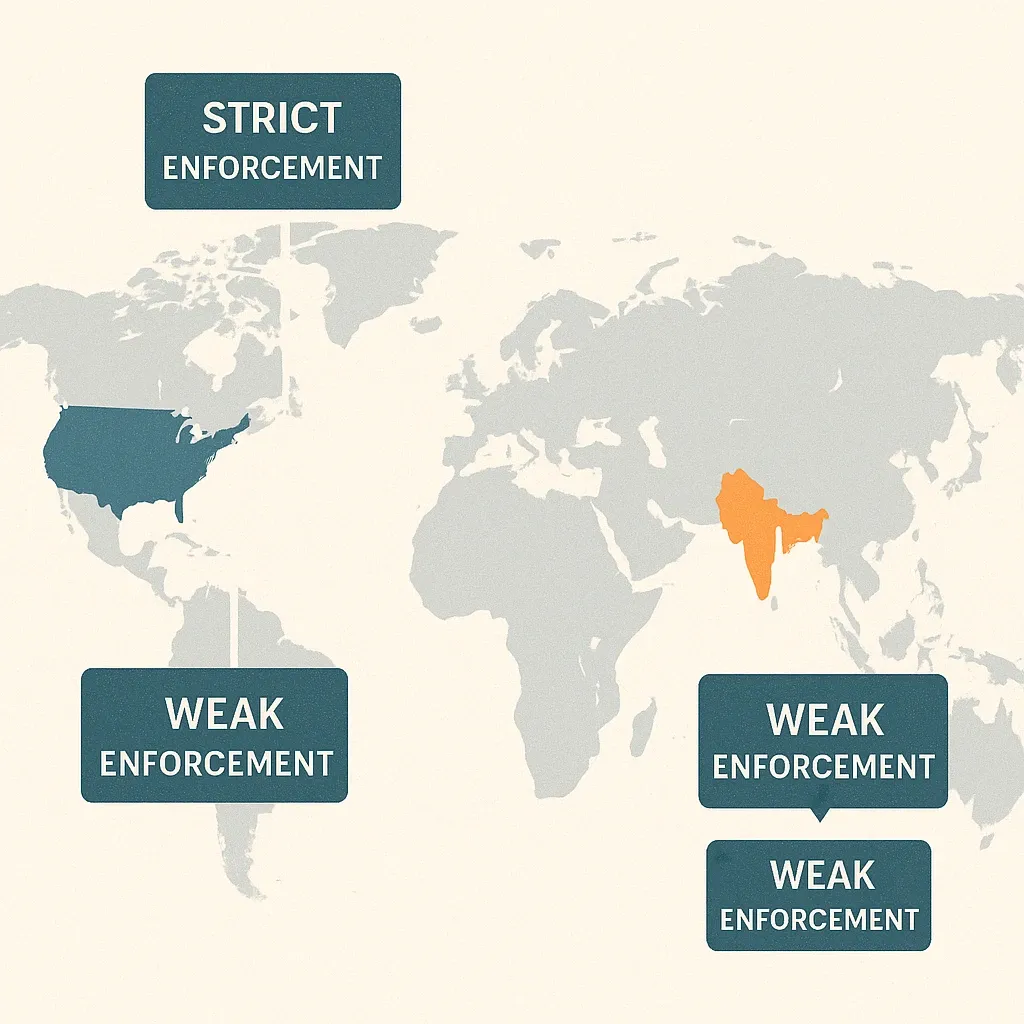
Nepal has copyright laws on the books, but enforcement is weak. Pirated CDs, software DVDs, and torrent downloads have been common for decades. Internet providers rarely crack down, and public awareness is low.
-
Contrast that with the US or Europe, where ISPs send “copyright infringement notices,” and repeat offenders can face lawsuits.
-
In countries like Australia or Germany, anti-piracy outfits aggressively monitor torrent traffic, sometimes suing individuals for thousands of dollars.
-
In Nepal, piracy is still treated more as an inevitability than a crime, partly because legal services are limited. Why pay for a streaming service that doesn’t even carry the shows you want?
So while piracy is technically illegal everywhere, the risks vary dramatically depending on where you live.
Wrapping It Up
Piracy exists because of access gaps — gaps in pricing, availability, and sometimes just fairness. Torrenting, meanwhile, is simply a powerful tool for sharing data, often unfairly painted as “illegal” by default.
Whether you see piracy as theft, protest, or just survival depends on your perspective. But it’s worth remembering: the core tech (torrenting) isn’t evil — it’s how people use it that matters.
Technology always runs ahead of the law, and piracy is one of those spaces where the gap is obvious. The conversation isn’t just about legality — it’s about access, equity, and how we share culture in a digital world.
What’s your take on piracy where you live? Drop a comment below — I’d love to hear how you see the balance between access, law, and tech.